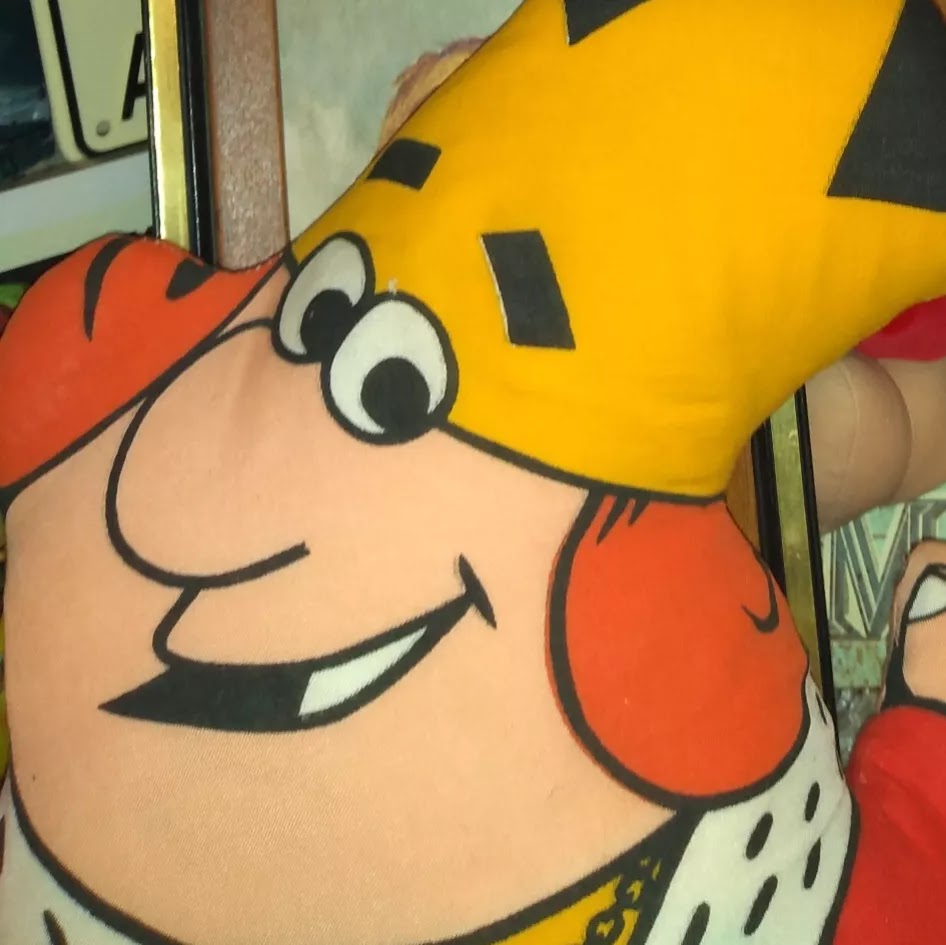
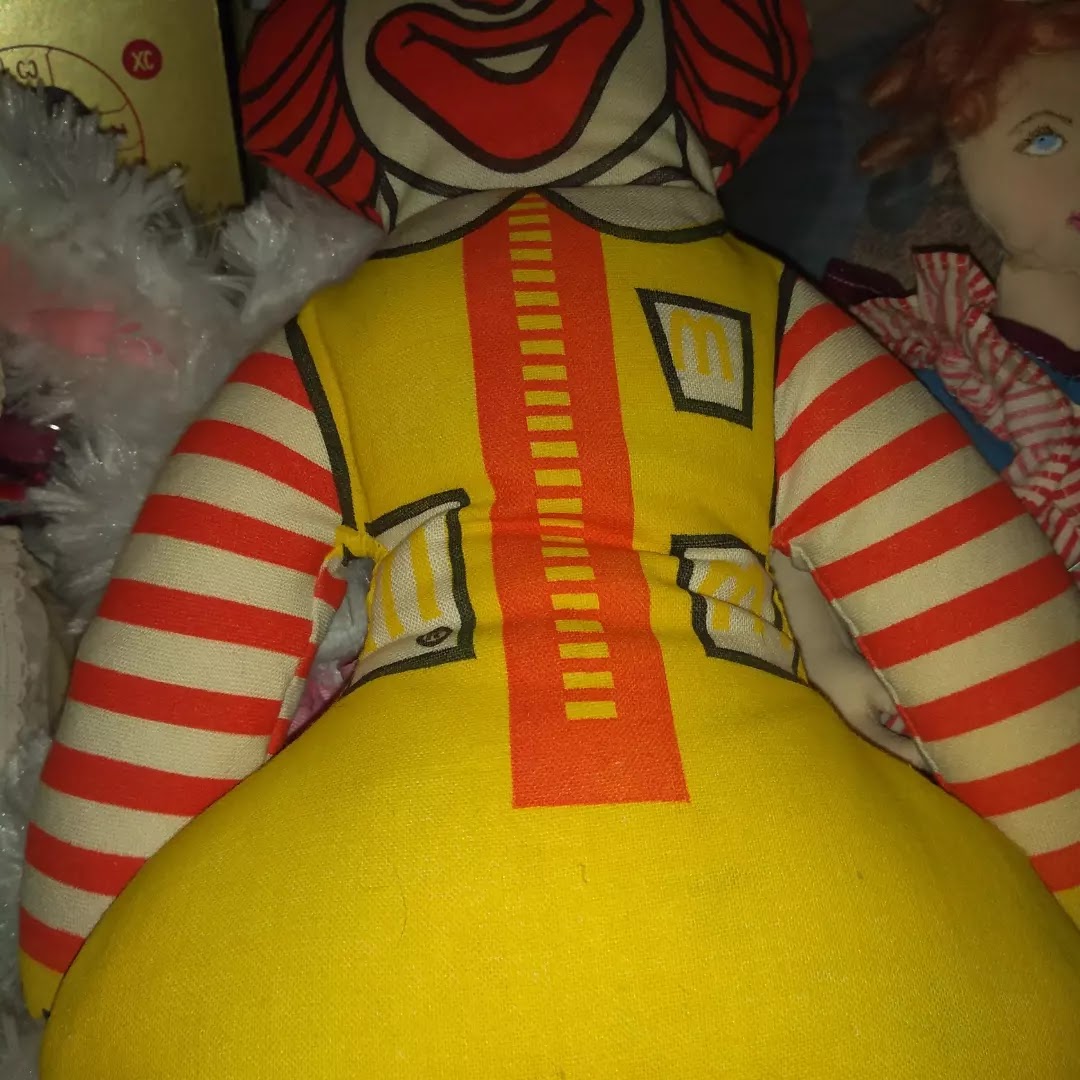
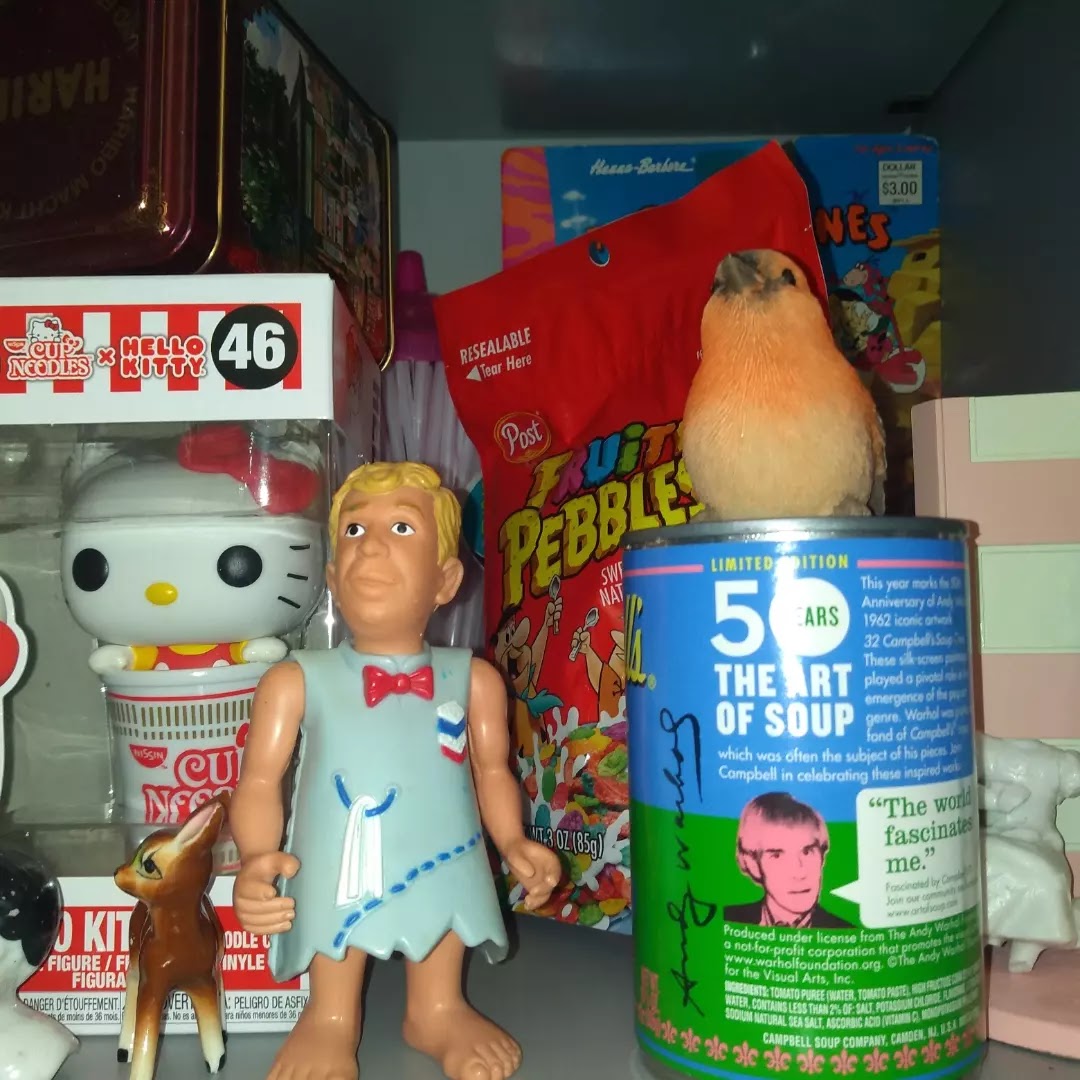
Below is information on the advertising dolls and toy
program we did May 30th at American Doll and Toy Museum.
There is information on the companies
represented by artifacts in our display.
Types of dolls and toys that were part of our exhibition. Toni, Miss Revlon, Color Me Cosmetics doll, Buddy Lee, Teddy Snowcrop,
Buster Brown and Froggy, Mrs. Butterworth, Soda cans/bottles, Beer
Cans/bottles, Pez, Bobble Heads, Shirley Temple Products, Kewpies, Grace
Drayton and Campbell Kids, Georgia O’ O'Keeffe and Old Dutch Cleanser,

Coca Cola Santa Tray
Advertising Dolls
Original Box
Advertising Dolls and toys
Acknowledgement: My
thanks to my cousin, Chuck Fanakos, who sent me the two books I used basically
as reference
The worst part of the advertising world involves Spam and fraud,
and dangerous
products that lead to torts, a civil wrong, primarily product liability law.
The best part of advertising is
promotes commerce and healthy competition. In fact, advertising/commercial
speech even has limited US
Constitutional protection
Advertising history has its roots
in Stone Aged Travelers who traded goods
among themselves. Beads, shelves,
rocks, and later, pottery and other goods, were currency among ancient
peoples. The ancient Venus figures tell
their own stories of trade. The early
figures we thought were limestone dating 25,000 to 40,00 years ago really
contain bits of shells and other materials that imply they were made elsewhere
and somehow made their way to a river bank in Willendorf, Austria,
which is where many have been found. The
Venuses often have cornrowed hair with implied beads. The beads shown carved on
Venus figures were likely early trade beads.
In Africa and elsewhere around the
world, beautiful beads of different designs, and masks, were incorporated into
trade and travel. African peoples often
created passport masks to identify themselves as they moved among different
tribes.
In fact,
the Chiffon Mother Nature margarine ad which inspired the ad, is an allusion to
the Venus figures or early goddesses, that were the original Mother Nature figures.
Medieval Guilds
Guilds evolved during The Middle Ages, with each having its
own colors and mode of dress. A good
idea of how the Merchant Classes were developing and how trade emerged is found in contemporary
literature like Chaucer’s The Canterbury Tales and accounts of Marco
Polo’s travels.
Artists and
artisans had their patrons, and signs, often without letters but with pictures
or symbols, began to appear above shops.
While trade
often had negative connotations during The Middle Ages, many still engaged in making things and
selling products to survive. The 15th
century Hortus Sanitatus even shows workers making dolls and puppet heads.
Nascar Bear
The Merchant of Venice and
Bartholomew Faire – C.1400 capitalism makes it its debut.
Business becomes respectable by the Renaissance, and
Shakespeare chronicled at least part of its history in The Merchant of Venice.
Excellence in
business and trade soon became rewarded through products sold at fairs with
prizes given for the best, and skilled crafts people competing for opportunities
to sell their wares.
Travel
Coke Ad products
Special Edition Can; We also have Andy Warhol, Mickey Mouse
and Disney Princesses
Baby Cookie Monster, clothes by my Mom
Traditional Peg Wooden Peddler
Peddler from Mexico
ing
peddlers, and peddler dolls, became part of the culture.
Itinerant sellers like these also populated
the country side, as well as city streets.
Listing products
(ads) date to 1630 with Kikkoman soy sauce in Japan. In around 1605, the Hudson Bay Company was
established. Its stores are still around.
The term “brands”
originated with the practice of using a red hot iron to brand a manufacturers
name on wooden shipping crates.
In early days of
advertising; people did not name food, so there were no food brands. It was the manufacturer or makers name that
appeared on any packaging.
The Industrial
Revolution made it possible for more people to own things through mass
production. It also created jobs for
people, who now were leaving their farms to move to cities where there were
jobs. Read the poetry of William
Wordsworth and William Blake to learn more.
Many companies we
know got their start during the 18th century. The Guinness Brewery started in 1759. In 1762, the sandwich invented by John Montagu, Earl of Sandwich . Of
course, sandwiches needed condiments, and Grey Poupon Mustard emerged in 1777.
1765 John Hanson
first chocolate mill in Dorchester,
MA US,
helped Dr. John Baker, Bakers chocolate.
The Baker’s Chocolate girl became one of the most recognizable
advertising figures. She has been made
as a beautiful half doll, and as a small lead figure, carrying her famous cocoa
tray.
In
1795 Jim Beam whiskey came on the scene.
By 1818 Tin cans were
invented in US by Peter Durand.
1824 Cadbury
Chocolate started a coffee and tea shop. Now Cadbury is the world’s largest chocolate
producer. Mrs. Betty Cadbury was big
doll collector. My friend Mary Hiller
knew her and her husband.
Cadbury came up
with another collectible still popular today, the first Valentine’s box. Whitman’s another chocolate favorite, began
in 1842 Whitman’s Chocolate
1845 Jell-O
first patented, but was first produced 1895. The patent was sold to Frank
Woodward 1899. In 1897, the year my
grandfather Steve was born, a new patent
was taken out by J. Pearl Wait.
Rose O’Neill drew
the Kewpies as the Jell-O trademark and in 1908, the Kewpies advertised Jell-O.
In 1867
Underwood Deviled Ham emerged with the red devil trademark. The first US trademark was dated 1870.
Campbell’s
S soup arrived 1869, Camden
NJ, originally mincemeat, canned
fruits and vegetables. The Campbell Kids
were drawn by Grace Drayton in 1904 who also drew Dolly Dingle
Campbell Kids
dolls were first made in 1910 by E.I. Horsman.
In 1871 Pillsbury
debuted in Minneapolis,
founded by Charles Pillsbury. The Pillsbury
dough Boy debuted 1965. He was created
by Rudy Perz. I first saw dolls in 1973
Milton Hershey, opened
first candy shop 1876. The candy bars appeared in 1900.
1883 Oscar Meyer
in Chicago,
began. The Wiener Mobile was designed by Oscar’s nephew Carl Meyer, 1936. Weenie whistles were given out by Wiener
Mobile in 1952. The plant is still in Davenport.
1886 Coke was first
sold in Atlanta. Known as Brain Tonic and Intellectual
Beverage, its recipe was kept secret, but has changed several times. Remember
New Coke.
1889 Aunt Jemima
Flour began. Aunt Jemima dolls have been
made since the 1920s, with some on printed cloth, and others made of stuffed oil
cloth.
Planters Nut and
Chocolate Co. started in 1906 in Wilkes
Bar, PA.
In 1917 Starkist
Tuna, began as the French Sardine Co. San Pedro, CA
Their mascot was Charley the Tuna,
voiced by actor Herschel Bernardi. A
vinyl doll of Charlie appeared during the 1970s, as well as other types of
dolls.
In 1927 Pez Mints
were invented as mints for smokers.
Soon, highly collectible character dispensers appeared. During the 60s, they could be purchased from
vending machines placed in big box stores like Zayre’s.
Also in 1927,
Kool-Aid was invented by Edward Perkins. It was first known as Fruit Smack. Kool-Aid the Kid arrived in 1954; he
represents cherry the original flavor
Hostess Twinkies appeared
in 1930 under Continental Baking Co. which became Hostess. Twinkie the Kid showed up in 1971. Twinkies earned their place in popular
culture after San Francisco
politician Dan White killed two other politicians, citing overdosing on sugar,
including Twinkies, caused him to shoot the two men. This was the famous “Twinkie” defense.
Among the most
famous advertising toys are the McDonald’s characters and Happy Mean Toys.
McDonald’s was founded by Richard and Maurice McDonald. Happy Meal Toys were first offered in 1979. Ronald
McDonald debuted in 1963 with Willard Scott playing Ronald.
Green Giant Foods
began 1950 The Green Giant was first used 1960. The Little Green Spout soon
followed.
Raggedy Ann
served as the logo for Raggedy Ann Foods, founded in Chicago c. 1950s. The company was in business till the
70s. Raggedy Ann appeared on the labels
of canned peaches and other products.
1952 Kellogg’s Sugar Frosted Flakes
were invented, the same year Tony the Tiger appeared. For more on Kellogg, read T.C. Boyle’s The Road
to Wellville
a. Tony the Tiger 1952
1954 Burger King Chain originated. Burger King dolls and other premiums became
available, including posters by Leroy Nieman for the 76 Olympics.
In 1837 John Deere opened his first
plow works. Collectors specialize in
John Deere farm toys, memorabilia, dolls, bears, and plush.
In 1844 first ice making machine was
invented by Dr. John Gorrie. Snoopy Snow
Cone Machines showed up about 100 years later.
The Peanuts Gang has appeared on many licensed products, with many dolls
and toys included in the mix.
In 1853 potato chips invented. Hiland Potato chips began 1936 and closed in1979 in Davenport
Pencils allegedly were painted yellow for 1893
Columbian expo; almost held in Rock
Island, Illinois.